Horse racing has long captivated audiences with its blend of excitement, tradition, and the allure of potential financial gain. For enthusiasts and bettors alike, the thrill of racing combines with the strategizing of betting, leading many to explore the intricate world of horse racing betting. However, while many focus on betting strategies, it’s equally significant to acknowledge the landscape of horse racing betting from an alternative standpoint. Here, we explore strategies not solely focused on placing bets but rather enhancing understanding, management, and enjoyment of the sport—particularly in the context of Horse Racing Betting Not on GamStop gargunnockhouse.co.uk.
The Culture of Horse Racing
Horse racing is more than just a sport; it is a cultural phenomenon rooted deeply in history. Nations host prestigious races that attract spectators and bettors from diverse backgrounds. Events like the Kentucky Derby in the United States or the Grand National in the UK have retained their significance over time, becoming focal points for social gatherings. Understanding the history and allure of such events can enrich your experience, whether you choose to participate in betting or simply enjoy watching the spectacle.
Understanding Odds and Payouts
While betting strategies often focus on maximizing win potential, it’s critical to understand what the odds represent. Odds are a reflection of the likelihood of a horse winning a race, and they directly influence payouts. Familiarizing yourself with how odds are calculated, the differences between fractional, decimal, and moneyline odds, and how they shift before a race can provide invaluable insights. Knowledge about odds can bolster your capacity to make informed decisions—not necessarily to bet, but to appreciate the sport more fully.
Types of Odds
There are a few primary types of odds in horse racing betting:
- Fractional Odds: Commonly used in the UK, such as 5/1, indicating the profit on a bet relative to the stake.
- Decimal Odds: Used widely in Europe and Australia, indicating the total return on a one-unit bet, including the original stake. For instance, odds of 6.00 mean a bettor would receive $6 for every $1 wagered.
- Moneyline Odds: Primarily used in the US, these indicate how much you would need to bet to win a certain amount or how much you would win on a stake.
Responsible Gambling Practices
Equally important in the discourse of horse racing betting is the concept of responsible gambling. Engaging in gambling should be a source of entertainment rather than a means to earn money. Setting bet limits, knowing when to walk away, and not letting emotions cloud judgment are integral components of responsible betting. Establishing a budget for participation can ensure one’s involvement in horse racing remains fun and enjoyable.
Tracking and Managing Your Betting
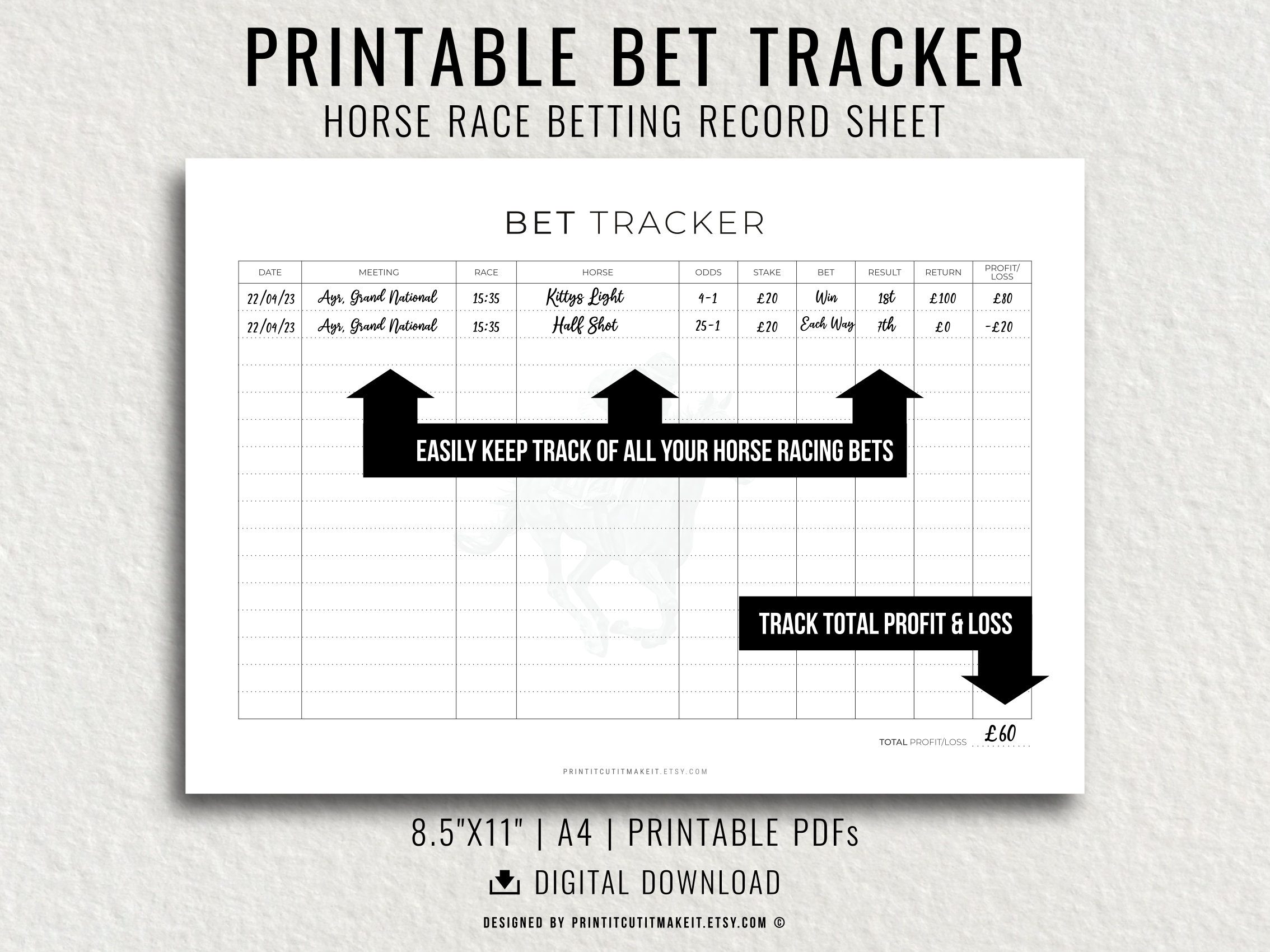
One proactive approach to ensure you maintain a healthy relationship with betting is to keep a record of your betting activities. By tracking the amount wagered, the types of bets placed, and the outcomes, you become more aware of your betting habits.
Consequences of Mismanagement
Failing to practice responsible gambling can lead to significant consequences, affecting both finances and personal relationships. It’s essential to remind oneself that the outcome of a race is unpredictable; thus, reliance on betting for financial stability is precarious.
Alternative Approaches to Horse Racing Engagement
Instead of focusing solely on betting as the primary engagement with horse racing, consider alternative ways to enjoy the sport. Here are some suggestions:
- Become an Owner or Shareholder: Participating in horse ownership, even as a shareholder, allows one to engage in the racing experience without the emphasis on betting.
- Attend Races for Experience: Visiting a racetrack provides an opportunity to appreciate the atmosphere, the horses, and the community, allowing for enjoyment independent of betting.
- Focus on Equine Welfare: Many organizations work towards the welfare of racehorses. Engaging in these areas provides a sense of fulfillment and responsibility towards the animals themselves.
The Future of Horse Racing and Betting
Looking forward, the landscape of horse racing and associated betting practices continues to evolve. With the rise of online betting platforms and advanced analytics, gaining insights has never been easier. However, with new technologies comes the need for greater responsibility and education on how to engage with these platforms.

Technological Enhancements
As technology expands, fans and bettors have access to data analytics, race replays, and predictive modeling tools that can enhance understanding and enjoyment of horse racing while promoting smarter engagement with betting.
Conclusion
While horse racing betting has its thrills and intricacies, it’s essential to approach it with a balance of passion and prudence. Understanding the sport’s rich culture, knowing the odds, and practicing responsible gambling practices not only maximizes enjoyment but also fosters a healthier perspective on the sport. By immersing yourself in the various aspects of horse racing—beyond just betting—you can cultivate a deeper appreciation for the traditions and stories that make it such a cherished part of our collective experience.